Why a Tree Removal Site Visit Matters Before Any Work Begins
I have been working with trees in DeLand, Florida, for over a decade, and one thing I have learned is that no two jobs are ever the same. A tree that looks straightforward from the street can hide a dozen surprises once you get a closer look. That is why every responsible tree care professional insists on a proper tree removal site visit before any chainsaw is started. A site visit is not just a formality. It is the foundation of safe, efficient, and legally sound work.
What Happens During a Tree Removal Site Visit
A thorough site assessment begins with a careful walk around the property. The arborist looks at the tree itself, noting its species, size, lean, and any visible defects. But the tree is only part of the picture. The surrounding landscape matters just as much. Are there buildings, fences, power lines, or underground utilities nearby? Is the ground soft from recent rain? Where will the branches fall, and how will the crew access the work area? These are the kinds of questions that get answered during a tree removal site visit.
I remember a job in a tight backyard in DeLand where an old oak had to come down. From the front, it looked like a simple drop. But once we got around back, we found a buried septic line and a neighbor’s patio just beyond the lean. That site visit saved us from a costly mistake. We adjusted our rigging plan, used a controlled lowering technique, and the tree came down without a scratch to the landscape. That kind of judgment comes only from seeing the site firsthand.
The Role of City Ordinances and Permits
In DeLand and many parts of Florida, tree removal is regulated by city ordinances. Some trees require a permit before they can be cut, especially if they are considered heritage or protected species. A knowledgeable arborist will know the local rules and can guide you through the process. During a tree removal site visit, they can identify whether a permit is needed and help you understand the requirements. This step alone can prevent fines and legal headaches down the road.
I have seen homeowners assume they could remove a tree on their own, only to face a stop-work order and a citation. A professional service that includes a site assessment as part of the free estimate will flag these issues upfront. It saves time, money, and frustration. It also ensures the work aligns with community standards for tree care and preservation.
Safety and Property Protection
Tree removal is inherently dangerous. A falling limb or a misjudged cut can cause serious property damage or personal injury. That is why insurance is a non-negotiable part of any professional tree removal job. During the site visit, the crew evaluates every risk factor. They look for dead branches, cracked trunks, or root damage that could make the tree unpredictable. They also plan the escape routes and the drop zone.
I once worked on a hazardous tree that had been struck by lightning. The trunk was split, and the canopy was hanging by a few strands of wood. A storm was coming, and the homeowner needed an emergency tree service fast. The site visit revealed that the tree had a heavy lean toward a bedroom window. We set up ropes and a lowering line to guide each section away from the house. Without that assessment, the outcome could have been very different. Property damage was avoided because we took the time to plan on-site.
Stump Grinding and Clean-Up Considerations
A tree removal site visit also covers what happens after the tree is down. Many homeowners want the tree stump removed, and stump grinding is a common solution. But not every stump can be ground the same way. Access for the grinder, proximity to foundations, and the type of tree all affect the approach. During the site visit, the arborist can mark underground lines and discuss options for the stump and root system.
Clean-up is another topic that gets settled on-site. Will the crew remove all the wood and debris, or will some be left for firewood? Do you want the area graded and seeded afterward? These details are easier to sort out when everyone is standing on the property looking at the same space. A good site visit removes guesswork and sets clear expectations.
Free Estimates and Customer Reviews
Most reputable tree removal companies offer a free estimate, and that estimate is almost always tied to a site visit. A phone quote or an emailed price based on photos alone is rarely accurate. The only way to give a fair, detailed quote is to see the tree and its surroundings in person. That face-to-face time also lets the customer ask questions, see the arborist’s credentials, and get a feel for the company’s professionalism.
Customer reviews often highlight the importance of this step. People who have had a good experience with a tree removal service frequently mention that the arborist took the time to walk the property, explain the plan, and answer every question. On the flip side, negative reviews sometimes come from jobs where no proper site assessment was done, leading to surprises like unexpected costs or damage to the landscape.
When a Tree Becomes an Emergency
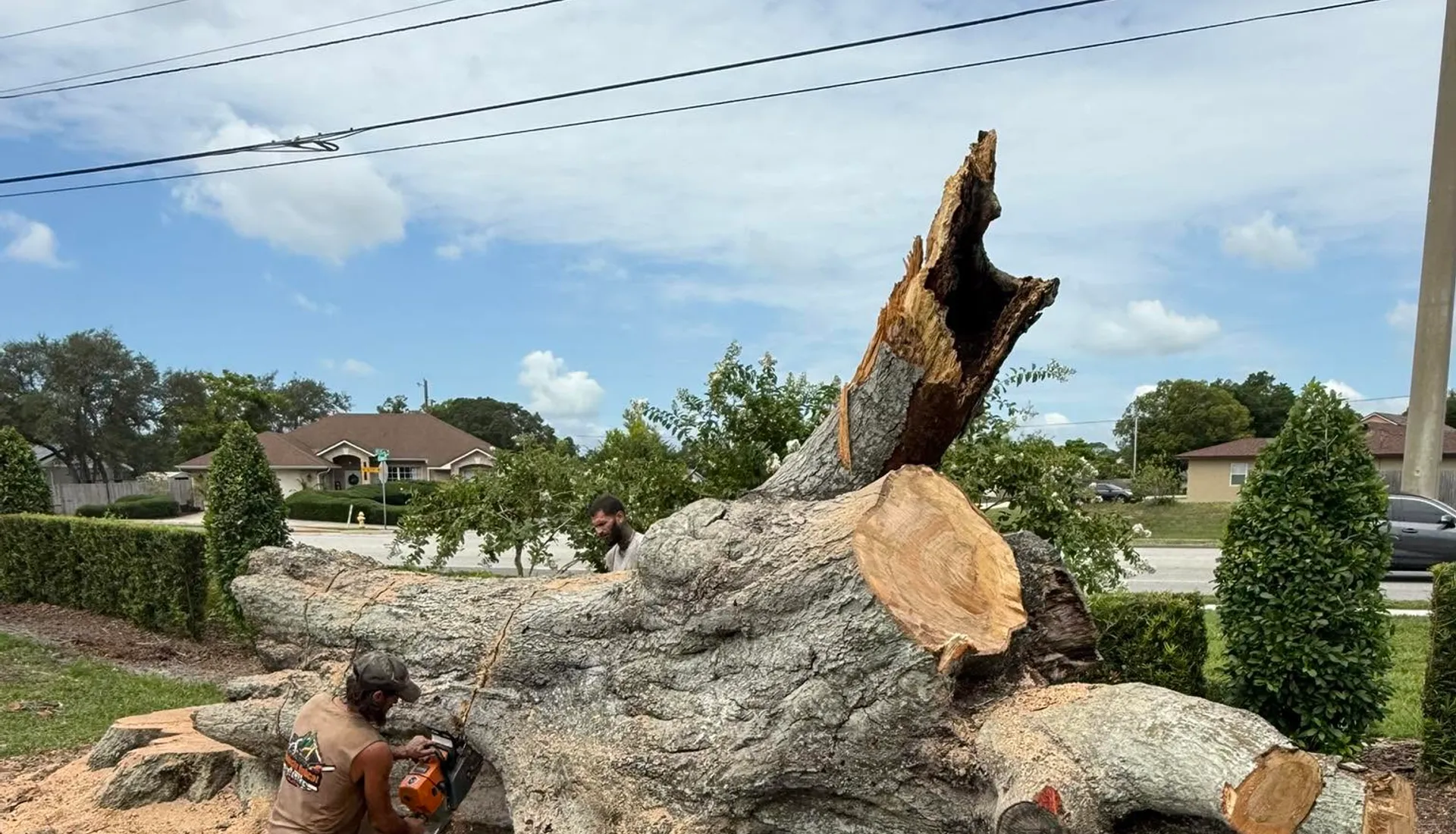
Storm damage can turn a healthy tree into a crisis in minutes. In Florida, hurricanes and severe thunderstorms are a real part of life. When a tree falls on a house or blocks a driveway, speed matters. But even in an emergency, a quick site visit is essential. The arborist needs to assess the weight distribution, the stability of the remaining tree, and the safest way to remove the debris without causing further damage.
I have responded to calls where a tree had partially uprooted and was leaning on a power line. The homeowner was frantic, but rushing in without a plan would have been reckless. A brief tree removal site visit helped us identify the load points and coordinate with the utility company. The tree came down safely, and the house was untouched. Emergency tree service does not mean skipping the assessment. It means doing it fast but thoroughly.
Tree Trimming and Preventative Care
Not every site visit leads to removal. Sometimes, a tree that looks dangerous can be saved with proper tree trimming or cabling. A good arborist will always consider alternatives to removal. During a site visit, they might notice that a branch is dead but the rest of the tree is healthy. A targeted trim could solve the problem without losing the whole tree. This kind of preventive tree care keeps the landscape intact and saves the homeowner money.
I have advised many clients in DeLand to hold off on removal after a site visit revealed that the tree’s root system was stronger than it appeared. We pruned the deadwood, thinned the crown, and the tree is still standing years later. That kind of judgment comes from experience and a willingness to look beyond the obvious. A site visit is not just about saying yes or no to removal. It is about finding the best solution for the tree and the property.
What to Expect When You Schedule a Site Visit
If you are considering tree removal, here is what a typical site visit looks like:
- The arborist will inspect the tree from all angles, looking for signs of decay, disease, or structural weakness.
- They will measure distances to nearby structures, fences, and utility lines.
- They will check the ground conditions and identify any underground hazards like sprinkler systems or septic tanks.
- They will discuss your goals, whether it is safety, aesthetics, or clearing space for a new project.
- They will provide a written estimate and a timeline for the work.
This process usually takes thirty minutes to an hour, depending on the complexity. It is a small investment of time that pays off in safety, accuracy, and peace of mind.
The Bottom Line
A tree removal site visit is not an optional extra. It is a core part of professional tree care. It protects your property, your wallet, and the people doing the work. Whether you need routine tree trimming, stump grinding, or an emergency tree service after a storm, starting with a proper site assessment is the smartest move you can make. In DeLand, Florida, where the landscape is as varied as the weather, that on-the-ground expertise makes all the difference.